Country Garden Design in Kent: A Guide for Homeowners
Kent has a very particular landscape character. From the rolling countryside of the Weald to the period houses, oast houses, farmsteads and village gardens found around Cranbrook, Sevenoaks, Tunbridge Wells and Wadhurst, the best gardens in this part of the world are those that feel rooted in their setting.
A successful country garden should not feel imposed on the landscape. It should feel as though it belongs there — elegant, natural, practical and beautiful through the seasons.
At Greenwild, we believe country garden design is about much more than choosing the right plants. It is about creating a complete outdoor space that works with the architecture of the house, the surrounding landscape and the way the garden will be used day to day.
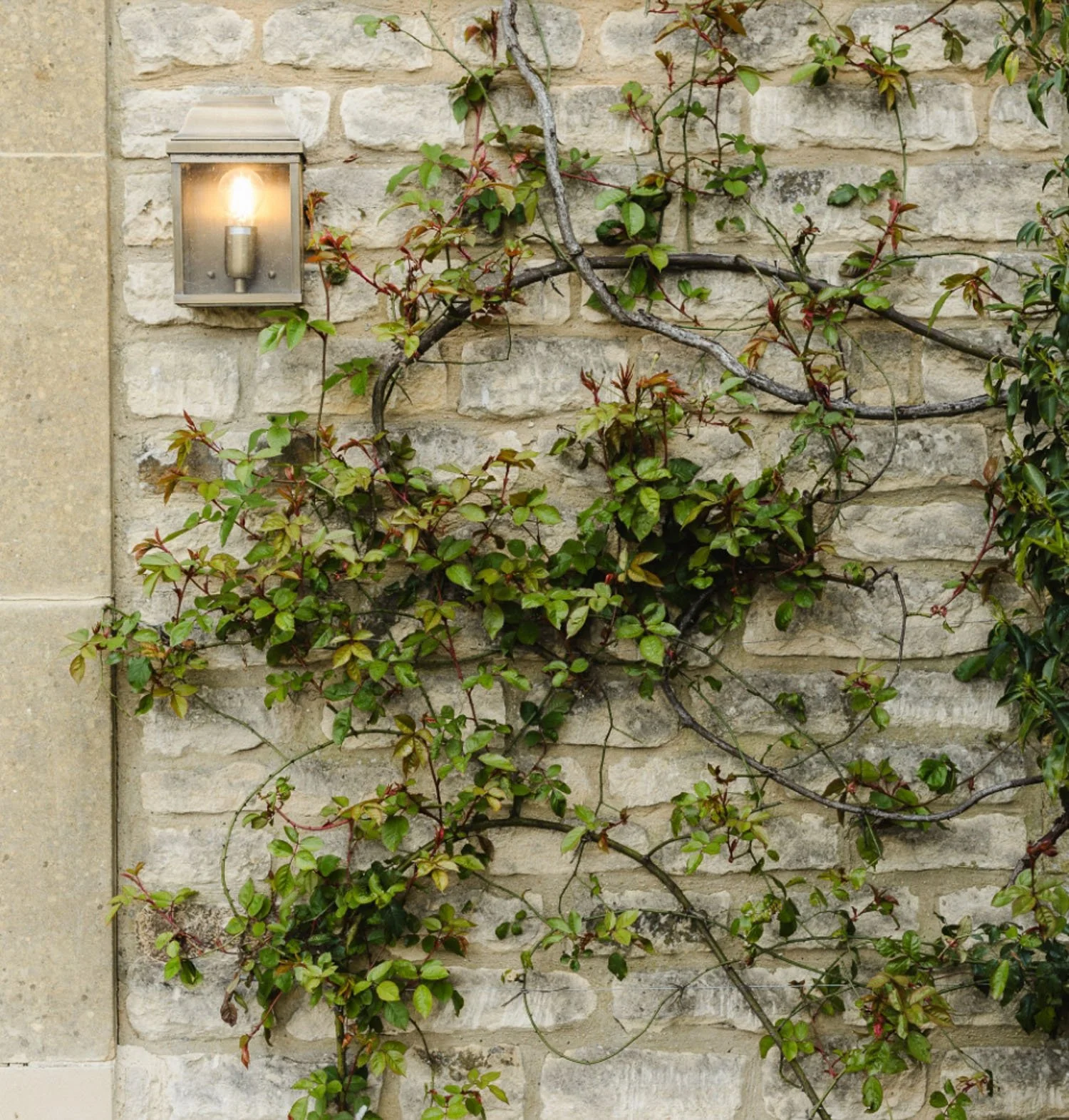
Potted Spring bulbs in a potting shed
What Makes a Successful Country Garden?
A well-designed country garden should feel relaxed, but not accidental. The most beautiful rural gardens often have a clear structure beneath the softness of the planting. This structure might come from pathways and terraces, hedging and topiary, lawns and meadow areas, trees and focal points, changes in level, garden rooms and views across the wider landscape.
Designing Gardens That Suit Kent Homes
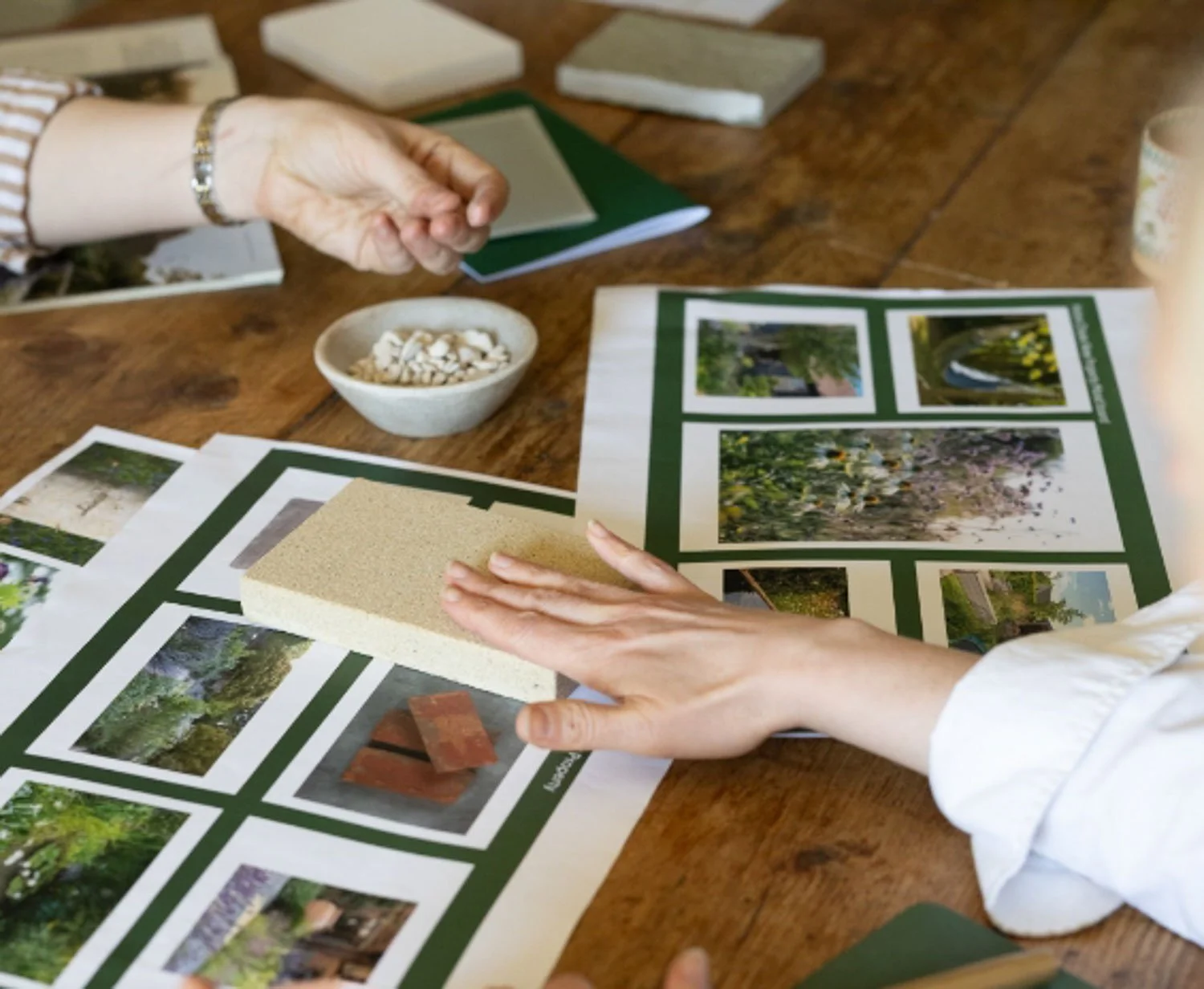
Garden design in Kent often needs to respond to a mixture of traditional architecture and rural surroundings. A garden for a period farmhouse, for example, will usually need a different approach from a garden for a modern family home. For older properties, materials are especially important. Brick, stone, gravel, oak, clay pavers and natural planting often sit comfortably alongside traditional buildings.
Creating Structure in a Large Country Garden
Large gardens offer huge opportunities, but they can also be difficult to organise. One of the most common problems is that the garden feels like one large undefined space. A good country garden design should break the garden into areas with different purposes, such as a terrace for outdoor dining, a lawn for family use, a quiet seating area, ornamental borders, productive garden spaces, woodland or meadow areas, a fire pit or outdoor kitchen area, and a more formal arrival space near the house.
Planting Design for Country Gardens
Planting is one of the most important parts of country garden design. It brings softness, movement, colour and seasonal change. In Kent gardens, we often favour planting that feels natural and layered, with a mixture of structure and softness. This might include clipped evergreens, ornamental grasses, roses, perennials, bulbs, shrubs and carefully chosen trees.
Using Trees, Hedges and Topiary
Trees and hedging are essential in a country garden. They provide scale, privacy, shelter and structure. A single well-placed tree can transform a garden. It can frame a view, provide shade, anchor a seating area or create a sense of maturity. Hedges and topiary can be used to divide spaces, guide the eye and give the garden a sense of permanence.
Designing Gardens That Feel Natural, Not Overdesigned
One of the challenges of country garden design is achieving a garden that looks elegant without feeling too formal or forced. The best results often come from balancing order and looseness. Paths, terraces and hedges provide the framework. Planting then softens the edges and brings life to the space.
Materials for Kent Country Gardens
The right materials can make a garden feel instantly more settled. In Kent and the wider South East, natural and traditional materials often work particularly well. These might include clay pavers, natural stone, gravel, oak, brick, lime mortar, weathered timber, estate-style fencing and handmade or reclaimed materials.
Making a Country Garden Work for Modern Family Life
A country garden can still be practical. Many clients want gardens that feel beautiful and timeless, but also work for family life, entertaining and everyday use. This might mean creating generous terraces, level lawns, discreet storage, outdoor kitchens, fire areas, lighting, steps, seating walls or spaces for children to play.
When Should You Start a Garden Design Project?
The best time to start a garden design project is often earlier than people think. A thoughtful design process takes time, especially for larger gardens or projects involving planning, levels, drainage, structures or specialist materials. Starting early also allows time to consider the planting properly, order materials and plan the build in the right season.
Creating a Garden That Belongs
A successful country garden should feel as though it belongs to its home and landscape. It should improve with age, offer beauty through the seasons and support the way you want to live. At Greenwild, we design and build gardens that are considered, practical and rooted in their surroundings.