What It’s Like to Work with a Garden Designer
For many people, working with a garden designer is a new experience. You may know that your garden is not working as well as it could, but not know where to begin.
A garden designer helps turn ideas, problems and possibilities into a clear plan. The process is creative, practical and collaborative. It should give you confidence in the direction of your garden before any major work begins.
At Greenwild, we design and build gardens with a focus on thoughtful design, quality materials and careful construction. Our aim is to create outdoor spaces that feel beautiful, practical and lasting.
Potted Spring bulbs in a potting shed
Why Work with a Garden Designer?
A garden is a significant investment. Without a clear design, it is easy for costs to be spent in the wrong places or for a garden to develop in a piecemeal way. A garden designer helps you think about the whole space, including how the garden looks, how it is used, how it connects to the house, how people move through it, where seating areas should go and how planting will work through the seasons.
The Initial Garden Design Consultation
The first stage is usually a consultation. This is a chance to walk through the garden, discuss what is and is not working, and understand what you would like the garden to become. Some clients have a very clear idea of what they want. Others simply know that the garden does not feel right. Both are completely normal.
Understanding the Site
Every garden has its own character and constraints. Before designing, it is important to understand the site properly. This might include looking at levels, drainage, soil, sunlight and shade, existing trees, boundaries, access, the architecture of the house, surrounding landscape, neighbouring views and planning considerations.
Developing the Garden Design
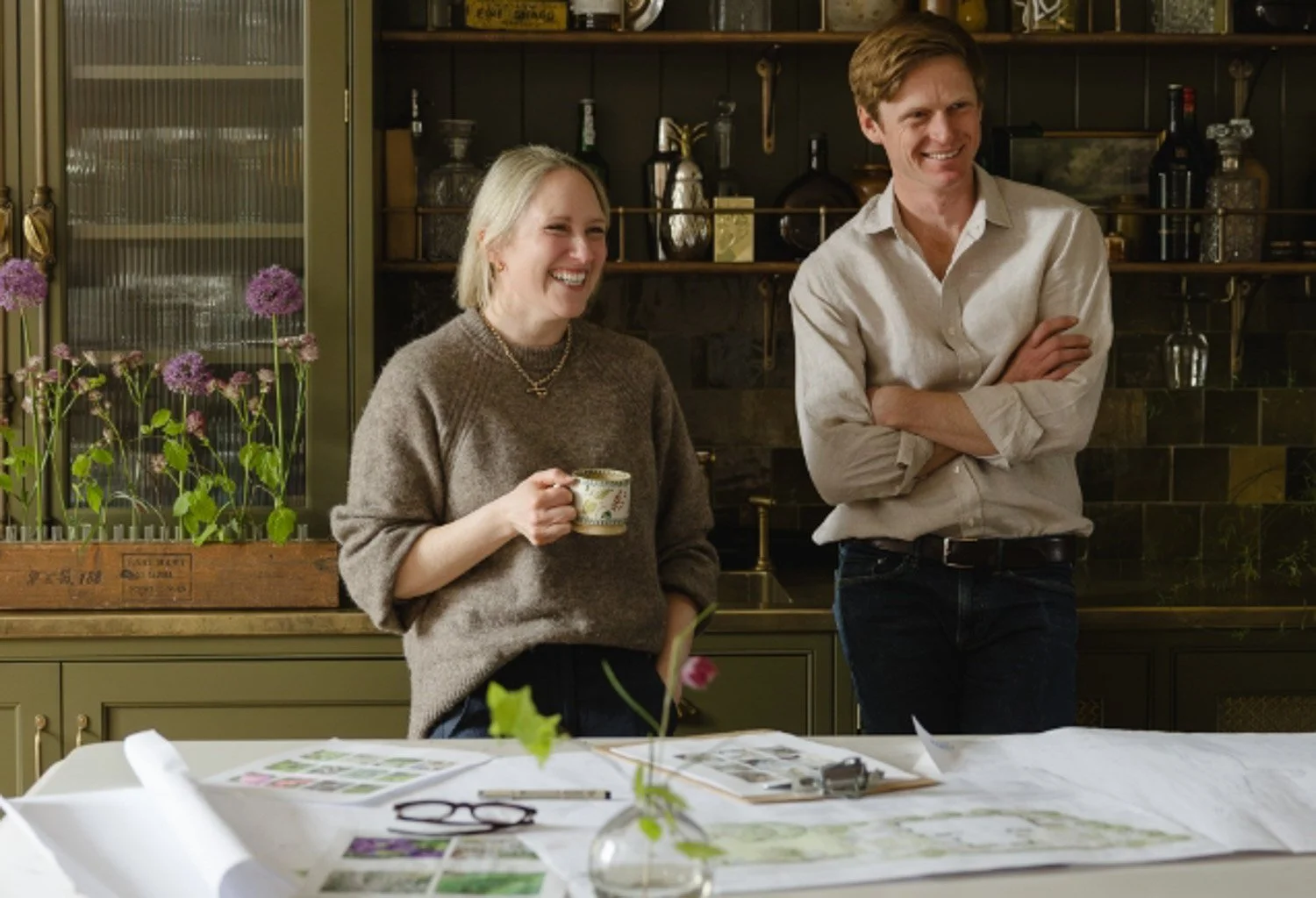
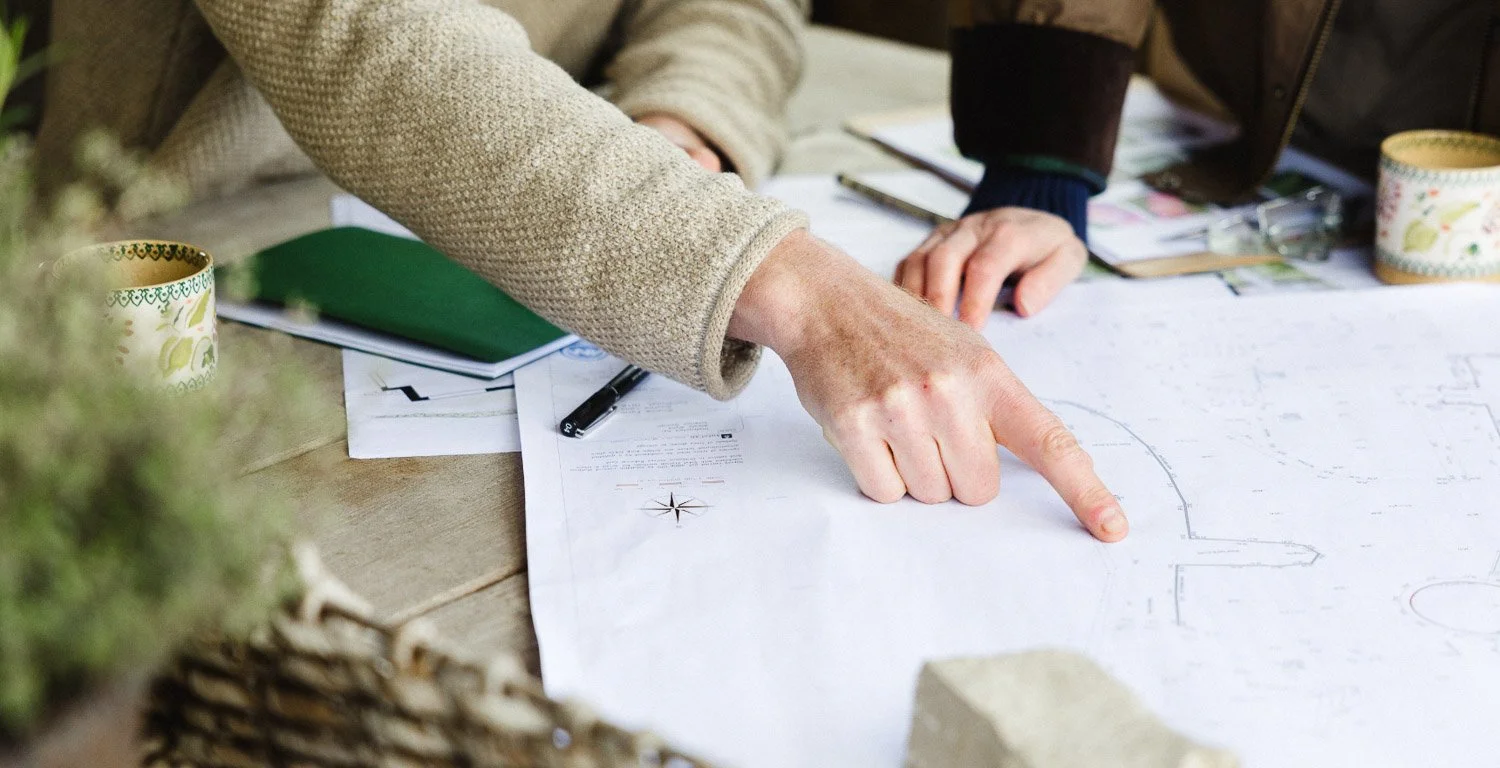
Once the brief and site are understood, the design can begin. This stage is about creating a layout that brings the whole garden together. It may include terraces, paths, lawns, planting areas, steps, walls, seating areas, trees, outdoor kitchens, fire areas, water features or garden buildings.
Choosing Materials
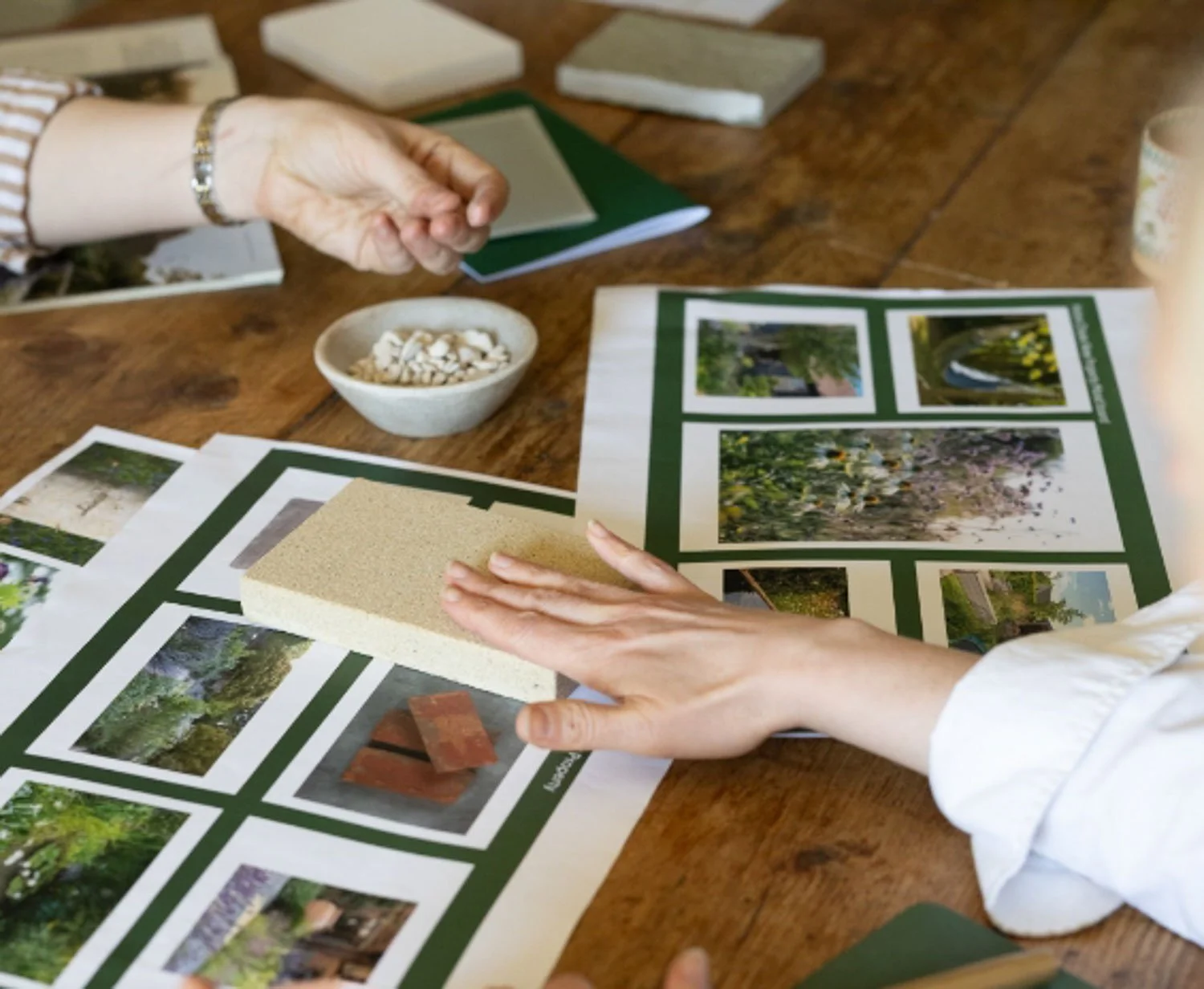
Materials have a huge impact on the feel of a garden. Stone, brick, gravel, oak, clay pavers, porcelain, metal and planting all create a different atmosphere. For country gardens and period homes, we often look for materials that feel natural, timeless and appropriate to the setting.
Planting Design
Planting is not an afterthought. It is one of the most important parts of the design. A successful planting scheme brings softness, colour, texture, movement and seasonal interest. It can also provide structure, privacy and a sense of maturity.
From Design to Build
One of the benefits of working with a design-and-build company is that the practical side of construction is considered from the beginning. A garden may look beautiful on paper, but it also needs to be buildable. Levels, drainage, foundations, access, retaining walls, material choices and construction sequencing all affect the success of the finished garden.
How Much Does Garden Design Cost?
The cost of garden design depends on the size and complexity of the garden. A small garden may require a simpler design package, while a large country garden, sloping site or full transformation will need a more detailed process. The design stage should be seen as part of the overall investment in the garden.
What Makes a Good Client Brief?
A good brief does not need to include all the answers. It simply needs to be honest about what you want from the garden. Helpful questions include how you want the garden to feel, how you want to use it, whether you need more privacy, whether you enjoy gardening, whether you entertain outside and what level of maintenance feels realistic.
The End Result
Working with a garden designer should give you more than a layout. It should give you confidence. The end result should be a garden that feels connected to your home, suited to your lifestyle and beautiful throughout the year.